
October 15, 2024
It’s been years since we entered this place. It was broken for quite a long time, but somehow the bugs left and the entrance was cleared. We looked around, and left. Didn’t even repair some of the broken links. Life sometimes does that. And it’s okay. Not everything has to be mended. So now we’re back. Just briefly. To pay our respect and offer our sincere condolences to Donald Fagen, Amy Helm and other family and friends.

Libby Titus Fagen passed away on Sunday October 13 at the age of 77. She loved this particular album by Mose Allison to bits. We post it here in her honor.
============================================================
April 21, 2021

click image
=========================================================
January 30, 2021
Yes. We skipped a whole year. Unintentionally, but in hindsight, the best thing we could do. If even so unintentionally and unaware. Well. Not really unaware. We did post on our Facebook page. Still. We are glad we skipped last year. Let’s pick up where we left off, shall we?
Wanna know about Walter Becker’s Golden City? Click HERE.
=========================================================
November 26, 2019
If you’d like to know where Rumpus and Bud hang out these days, click Peanut Dan. And check out our latest post to see kids in the age group of 15-18 yrs pull of a very groovy DO IT AGAIN!

=========================================================
May 3, 2019
Don Breithaupt is a Canadian musician who currently resides and works in Los Angeles. His band Monkey House is known for recording sophisticated pop and jazzy tinged music, also as a tribute to the oeuvre of Steely Dan. They are about to release their new album “Friday” and Book of Liars is the first single.
Don Breithaupt wrote a book about Aja, the album, for which he interviewed Donald Fagen. The booklet is well received in the musician community and highly appreciated and praised. Don Breithaupt is a musician with great admiration for Steely Dan and its founders, both Walter Becker and Donald Fagen. He recorded Book of Liars as a gesture to Walter Becker’s legacy. Walter is missed as the other half of Steely Dan.
===============================================================================
July 17:

In the mood yet for some psychedelish blast from the past? Follow the yellow brick… no wait. That’s another story. You’d want to go THAT WAY now. Enjoy!
Cool GIF, huh? You can find its creator Bill Tavis here.
===============================================================================
June 1:
May 31 marks the 42nd year anniversary of the release of… Royal Scam! Yet another anniversary is lurking, on June 10 2008, Walter Becker released his second album, Circus Money. And let’s not forget the 25th anniversary of Donald Fagen’s Kamakiriad which was released on May 25 in 1993! While Steely peeps are living dangerously by attending the concerts of The Doobie Brothers and Steely Dan, we caught the announcement of one of our friends, Angel, right before going to the LA concert. She was more than happy to provide us with a review via her very own Steely Dan concert blog.
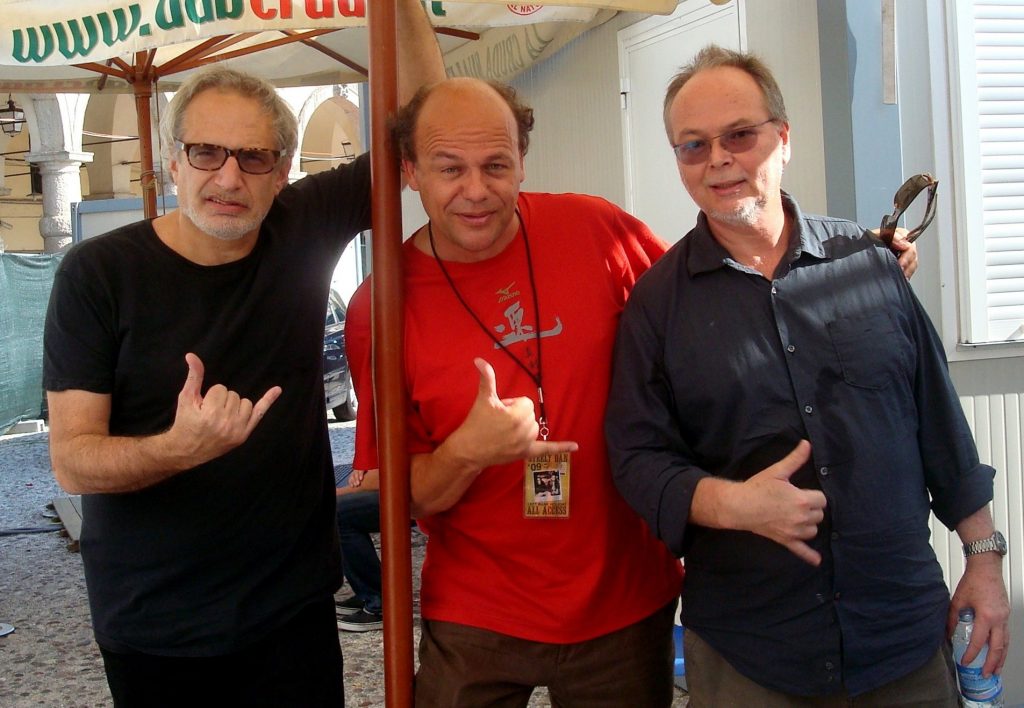
The photograph has nothing to do with Angel’s review, but it kind of fits this Steely Danesque tribute musing, from album anniversaries to the realtime concerts and a Dutch tribute to Walter Becker by star saxophone player Toon Roos. He posted this fun picture from back in 2009, when he toured with Steely Dan upon request by Walter Becker who heard Toon Roos perform in an Amsterdam jazz venue in 2001. They hit it off, became friends and the rest is also somewhat Mizar5-ish history, as we posted about this in the earlier years of our frequent and much frequented orbit.
Enjoy Angel’s review, the concerts and tributes out there!
===============================================================================
April 11:
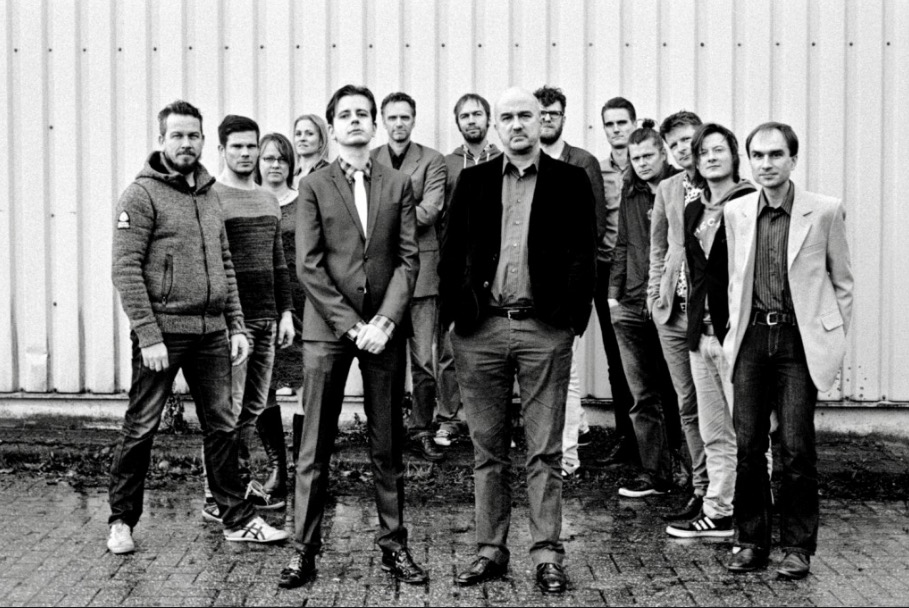
Is there gas in the car? Is there gas in the car? Now that could be a conundrum if you’d allow yourself to get entangled in a linguistic maze some would argue is just a neurotic case of semantics which sets you up for confusion from the get-go. And then you may wonder, what do these people in the photograph have to do with all this? Well. They’re from a place where there’s lots of gas, you know. Not the kind of gas Americans use to keep their vehicles on the road though, as this Quora article may explain. Ish. But still. Every kid in elementary school is taught about the gas underneath the surface in this part of the country. What country? What part? Just click the image to find all or some of your questions answered!
===============================================================================
March 29:
Every now and then we won’t have to reason to let our guard down and we’re simply taken captive by what we hear. Mind you, when the word longevity slips in your vocabulary and you see celebrations of albums that were released forty or thirty years ago, you become aware the ‘heyday’ of your existence may have gathered some dust along the line, and the quality of life has quietly managed to redefine itself. Or not. As the seasons spin out of character, we still embrace the dawning of Spring as something to welcome rather than endure. Well, by chance and Thomas Dolby’s Flat Earth album, we stumbled on the Bandcamp page of drummer, composer and photographer Steve Jansen. Don’t be embarrassed if the name doesn’t ring a bell at once. You will soon discover he’s not the stranger you may have thought he was. Or if your first grey hair isn’t due until a decade or two, you may now be on to something new and worthy of your time! Just click on the photo to find out more!

===============================================================================
March 9:
Hall & Oates have a similar vibe in their early seventies music. You can hear the roaring sixties as if it’s still lingering, refusing to be just a sentiment from the past. There’s Something Moving In My Soul. Could it be the Monkey? You know the drill!
===============================================================================
February 20:
Two years ago, we relaunched Mizar6 with an outstanding article from Howard Wright: The Birth of the Mu Major Chord, not accidentally on Walter Becker’s birthday. Today Walter Becker is no longer among us, although his esprit and music will always be around. https://www.walterbeckermedia.com/
===============================================================================
January 16:
in retrospect, Katy Lied was a watershed record with more ties to the future than the past
-Steve Barbour
===============================================================================
January 10:
HAPPY 70th BIRTHDAY, DONALD FAGEN!
(click image)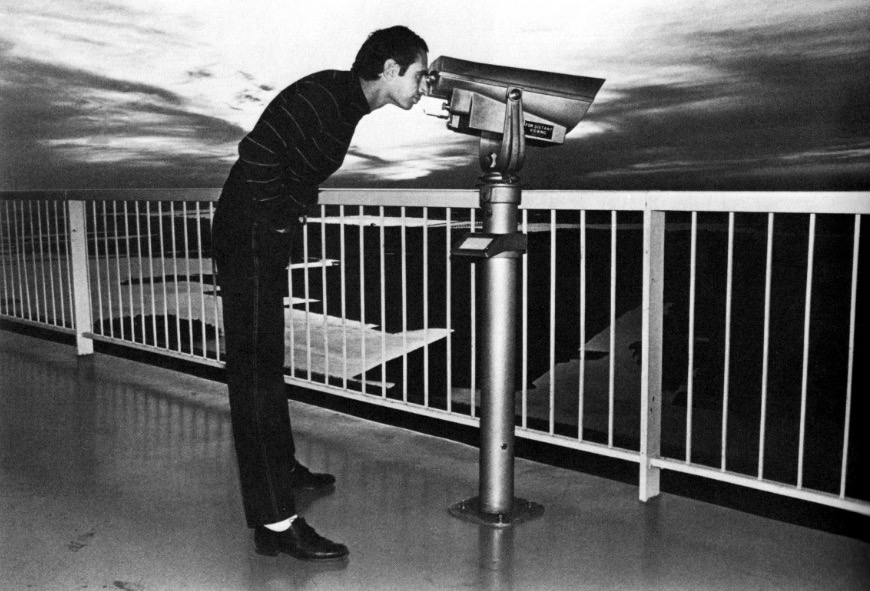
===============================================================================
January 8, 2018: We skip all the new year stuff wishing everyone the best and all that polka, and make ourselves go silent again by posting this video. It’s a lovely rendition of a Katy Lied (1975) tune, Any World That I’m Welcome To, by singer-songwriter and multi-instrumentalist, Mr. Darrell Scott. Enjoy!
===============================================================================
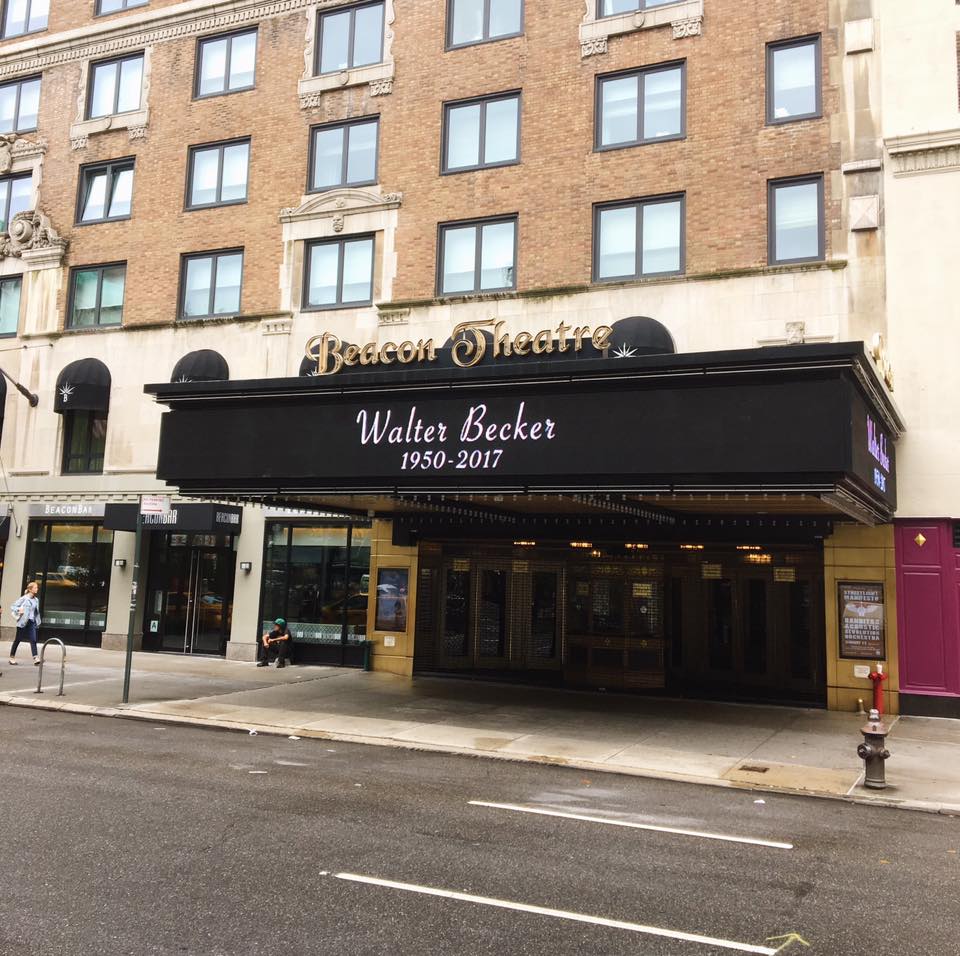
Sept 9: Even though it is very sad mr. Becker left so soon, to celebrate life, or his work, is the best way of honoring the time he was here. So, enjoy! Originally recorded July 23, 2002. Originally aired in 2003.

===============================================================================
Sept 3:
===============================================================================
August 16:
Pardon my French!
https://www.facebook.com/steelydantributepolemaparis/videos/1856973744545297/
And there’s more where that came from if you click here. Enjoy!
===============================================================================
July 31: We’re in some extended summer slow mode. A lot is happening on social media, though. Make sure to head over to Sal Bernardi‘s page to see him and three musical friends play Moon River in Paris. No, wait. Let’s just embed that one here too! And then there’s the pending solar eclipse on August 21. And William Least Heat-Moon writing about cosmic outfall we digest in our food, and air we breath. We are stardust, we are golden. And for those who can’t get enough of Donald Fagen & The Nightflyers, visit his Facebook page for concert dates. Have a great summer!
===============================================================================
May 26: Twenty minutes of Steely Dan in a medley by Owen York. This 13-year old pianist is no stranger to Mizar6. It’s great to follow his musical adventures, so here it is:
===============================================================================
May 6: The album is due for release on May 12. Todd Rundgren‘s White Knight, with an array of musical friends to cement his shining armor. Hm. Let’s rephrase that, shall we?
This track found its way to the YouTube quarters and then, of course, was splashed anywhere and elsewhere there are SD, TR and DF fans. The lyrics have never been so non-cryptic.
===============================================================================
April 27: Donald Fagen and the Nightflyers. They’ve been rehearsing around the Hudson Valley before taking it to the road in the months to follow. We do feel left out of all the fun, here across the big pond in Europe. That’s why we’re happy with our American friends who keep us up to speed!

You can click the image and it will take you right there!
“Not to give a blow by blow on each song, but to say that this band was hot, is an understatement. They were really on fire. I don’t know if knowing that there will not be a tour this summer made a difference (Donald Fagen and the Nightflyers are going out this summer with 4 under 25 year old band members) but it seemed a bit bittersweet for this 13 piece band. Even their two massive dates in July, at Citi Field and Dodger Stadium, will be minus Jon Herington, their lead guitar player.”
===============================================================================
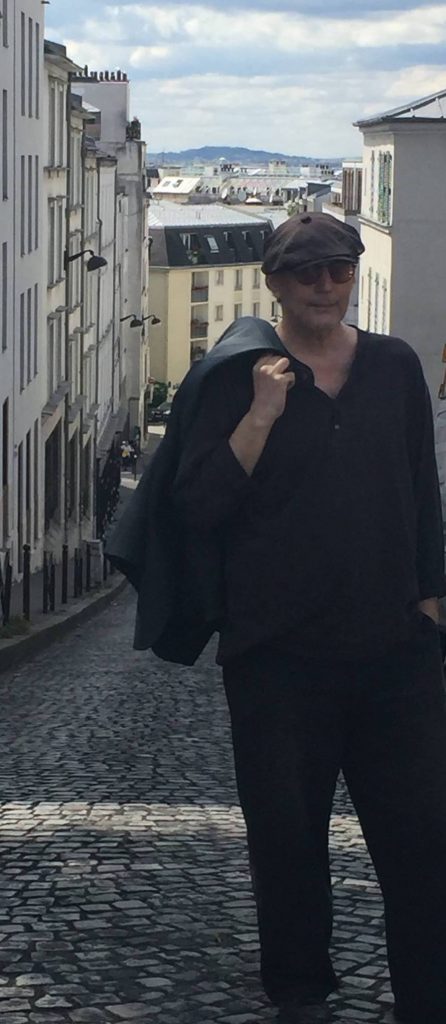
March 13: He’s been an essential creative force for one of the most surprising follow-up albums after an impressive first album of a debuting artist. Sal Bernardi and Rickie Lee Jones defied all standards for what would be considered classic songwriting in the pop and jazz-infused genre with their Traces of the Western Slopes, an eight-minute long epic and cinematic-like musical story, breaking boundaries while carving new paths for listeners with a taste for delving a little deeper taking unexpected turns.
Rickie’s self-titled debut album (1979) was an ear-opener already. Pirates (1981), her second album, still baffles those when they have to name their Top 5 of all time favorites. Sal Bernardi found his work introduced to an audience at large when he was recording and touring with Rickie Lee Jones throughout the years, having played a big part in her signature songs. It’s only natural for us to welcome him here on Mizar6, so click the photo for an introduction by Rickie Lee Jones, and if you can’t wait to read the interview and listen to his music, it’s just one click away in the column here on the right!
===============================================================================
March 5: Sal Bernardi, an American expat-musician living in Paris. Click photo for some appetizers!

===============================================================================
February 15, 2017: A message from Madeleine Peyroux and Rickie Lee Jones
===============================================================================
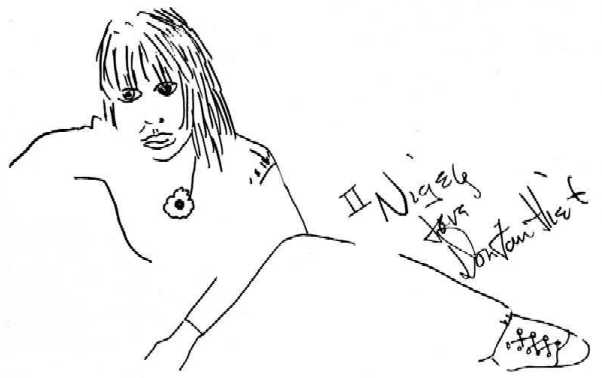
November 19: Nigey Lennon has passed away. Click Captain Beafheart’s drawing of Nigey to see how you can make a wish come true!
===============================================================================
August 22: Toots Thielemans (94) passed away peacefully in his sleep last night. The music world has lost a legend and a very kind human being. Bon voyage, you inspired many generations. Thank you.
===============================================================================
August 5: We miss browsing the vinyl isles we used to do when physical record stores were in abundance. And we had our favorite places where we’d go to check out new music. We adapt to new times though, and got on the bandcampwagon where we found this songbird and excellent guitar player from Chile. Her name is Camila Meza, she resides in New York and recorded an album with a group of esteemed musicians. Click image and let their music enchant you!

===============================================================================
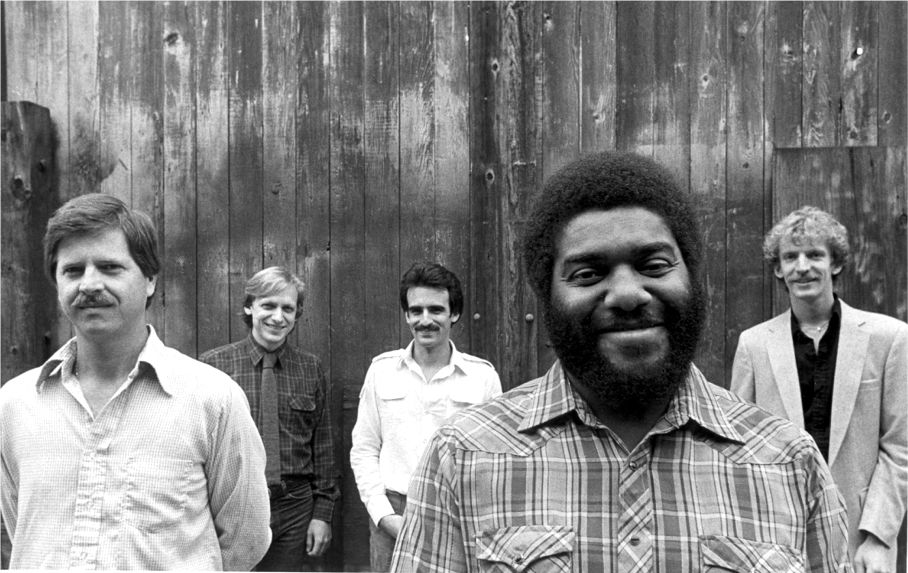
July 28: It was pure chance. A friend was impressed by Ted Baker’s solo in a Steely Dan video (Black Cow) and posted it on Facebook. All of a sudden Cornelius Bumpus appeared. His sound. Sheer magic. So we had to hear more. And found a wonderful concert, recorded during the Doobie Brothers farewell tour. You know the drill!
===============================================================================
July 26th: His voice was as distinctive as the sound of his guitar. Click image to have a look and listen. Bassist Will Lee talks about Hiram Bullock who passed away eight years ago on July 25th.

21.06.2005
Bonn/Germany
PHOTO by PETIA
www.petia.de
===============================================================================
July 25: We have a soft spot for Steely Dan covers. They’re not just a testimony to excellent songwriting and a way to shape our own musical palette if we enjoy playing an instrument with friends and family for the fun of it, they also offer hope in darker times, when in doubt whether young generations can appreciate or recognize quality when they see and hear it. Well, here’s Ethan Bill who recorded a very good version of a familiar and tough to handle Steely Dan tune. Click image to see and hear more!

===============================================================================
July 22: Steely Dan is on a deserved summer break now and raving reviews attest of how superb their live performances have been and are, which, according to one of the reviews, fills the Steely founders’ hearts with utmost joy! And we here over on Mizar6 are very happy as well, because nobody could have predicted any of this way back in the seventies. Walter Becker and Donald Fagen preferred the studio over live performances on stage, they broke up the band, went their separate ways, then synchronized and allied again to give us Two Against Nature in 2000, having recorded their first album in twenty years. Since then Steely Dan hasn’t removed itself from the radar. They continue to be out there doing what they always wanted, but never thought possible to pull off. They hired musicians, formed a touring band and write music history as their concerts touch on certain essentials often lacking in the nowadays music industry treadmill. In October, they’ll grace the stage in New York and have Rickie Lee Jones to keep them company for four shows. So, do wear your Steely Dan T-Shirt and hope for a Flying Cowboys reunion as well somehow…

===============================================================================
July 7: Rob Meany isn’t a stranger to us. He and his band Terramara have been with us since the early Mizar5 days and their albums were in heavy rotation. The wondrous ways of the internet back then brought a Steely Dan Newsgroup member, Mike Dale, and Rob Meany together for an M5 interview you can read to refreshen your memory whilst listening to Rob’s first solo album. Click image and enjoy!

===============================================================================
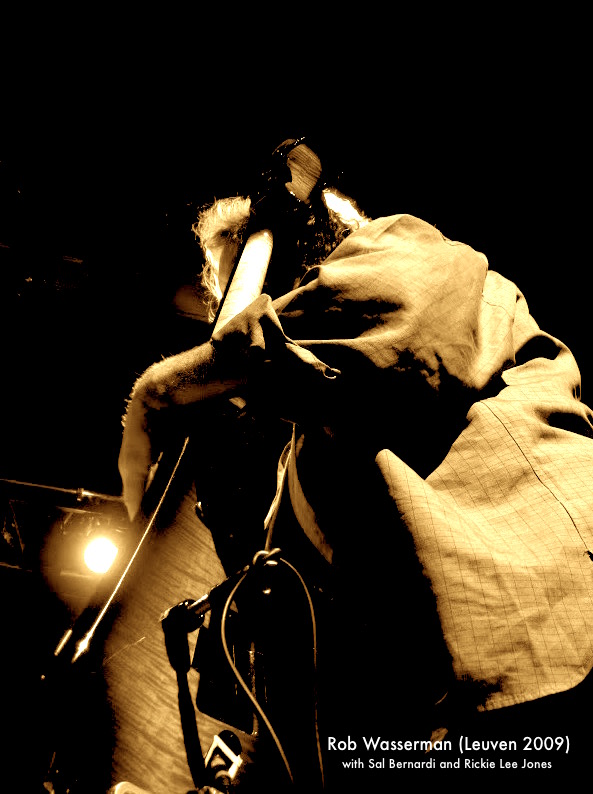
June 29: Bassist Rob Wasserman passed away. We saw him perform with Rickie Lee Jones and Sal Bernardi back in 2009 in the city of Leuven. I had brought a gift bag for Rickie, but felt hesitant to call her to give it to her after the show. Instead I asked Rob Wasserman for help, who listened patiently and kindly to what I had to say, (Rickie’s daughter Charlotte knew about the gift bag, I’d asked her for advice what her mother would appreciate) explaining it was a gift and if he could hand it to Rickie. He nodded and said he’d take care of it. And he did. Rob Wasserman was a classically trained musician with a versatile and eclectic resume, he worked with many renowned musicians from various walks of life.
===============================================================================
June 19: Steely Dan soundman snapped this when Michael Leonhart performed a solo soundcheck at the Hollywood Bowl for a special rendition of a Steely Dan concert with orchestral arrangements from Vince Mendoza. But that’s not what this Mizar6 entry is about. Nope. We’re shifting towards the political arena that’s currently keeping American citizens at their social media toes. Michael Leonhart and his Orchestra found themselves to be inspired by one of the candidates for the new presidency, and gave musical form in a compelling sound and vision. Hurry, click the image to find out and share widely!

================================================================================
June 15: We promised you some nice interviews. We will start with a Rolling Stone one in which Donald Fagen mentions this song. Can you hear it too? For the whole interview, click the Donald and enjoy.

================================================================================
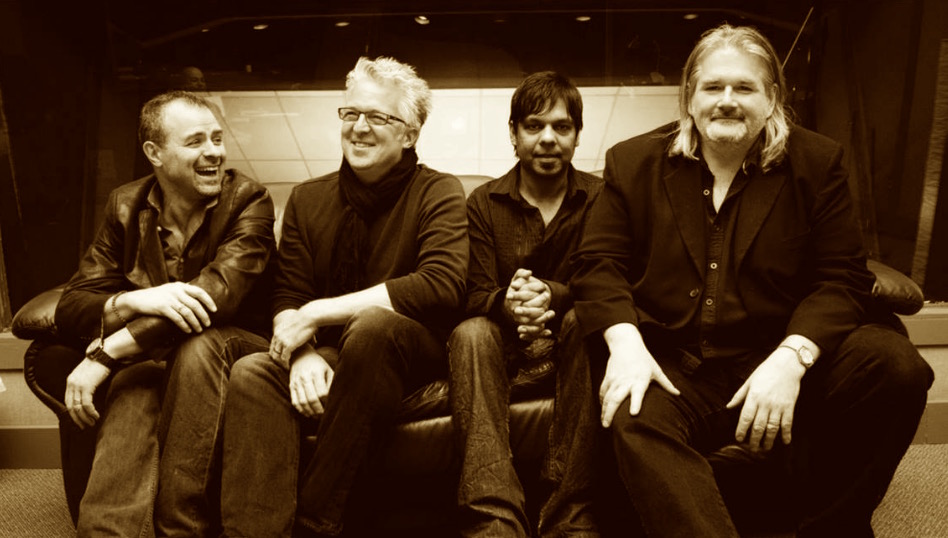
May 23: If this page here seems slow, don’t forget to check out our Facebook page! We’re a little more frequent in there with little bits and pieces we find along our social media way. But we’ll make sure to have a real nice June edition for you with some nice interviews and other worthy Mizar6 stories. In the meantime, make sure to pre-order MONKEY HOUSE’s latest gem LEFT. You know, that fine Canadian band with Don Breithaupt at the helm? When their previous album Headquarters was in heavy non-stop rotation keeping us in a never ending Monkey House flow, it felt better than Steely Dan. Yeah it did. Maybe it’s time for Donald Fagen and Walter Becker to record a new album as well, so we can reel it all in. Speaking of reeling… Mr. Elliott Randall’s on LEFT as well. Yup. It’s gonna be a great summer!
================================================================================
April 30: International Jazz Day 2016 at the Blues House!

================================================================================
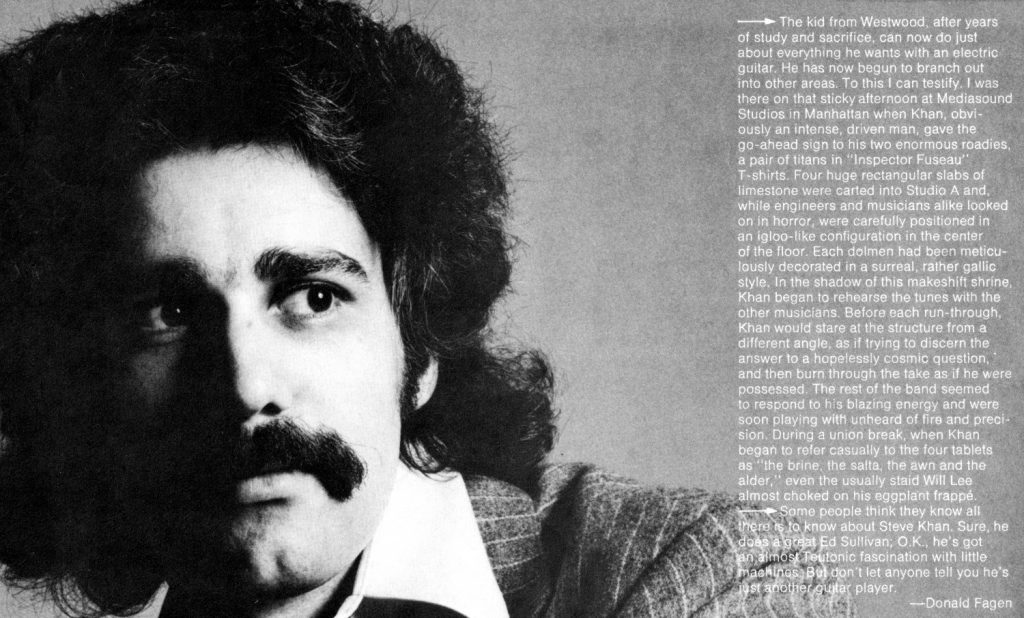
April 28: Happy Birthday, Steve Khan!
================================================================================
April 20: Steely Dan kicked off their 2016 tour in Port Chester. A promising start. Click image!

================================================================================
April 11: He sat next to me in my car when I drove him from a concert venue to where he was staying, at a friend’s place. My dog Gaucho curled up at his feet when we were at a jazzcafé in Maastricht City, having drinks and conversation. And now we are proud to introduce John Beasley as the musical director of International Jazz Day at the White House on April 30th! “The All-Star Global Concert at the White House with musical director John Beasley will feature stellar performances by Joey Alexander, Terence Blanchard, Kris Bowers, Dee Dee Bridgewater, Till Brönner, Terri Lyne Carrington, Chick Corea, Jamie Cullum, Kurt Elling, Aretha Franklin, Robert Glasper, Buddy Guy, Herbie Hancock, Zakir Hussain, Al Jarreau, Diana Krall, Lionel Loueke, Hugh Masekela, Christian McBride, John McLaughlin, Pat Metheny, Marcus Miller, James Morrison, Danilo Pérez, Rebirth Brass Band, Dianne Reeves, Lee Ritenour, David Sánchez, Wayne Shorter, Esperanza Spalding, Sting, Trombone Shorty, Chucho Valdés, Bobby Watson, Ben Williams and others.” Click image for more.

================================================================================
April 2: When Owen plays MSG…

================================================================================
March 31: We’re celebrating the 10-year anniversary of this album today! Click image…

================================================================================
March 23: The language of music and sound knows no boundaries. Canadian DJ Patrick Holland takes his Steely infusion to new levels.

====================
================================================================================
March 18: JT‘s back with some musings on … just see for yourselves. You know the drill.

================================================================================
March 16: Who are these guys? Just click on the image and find out.

================================================================================
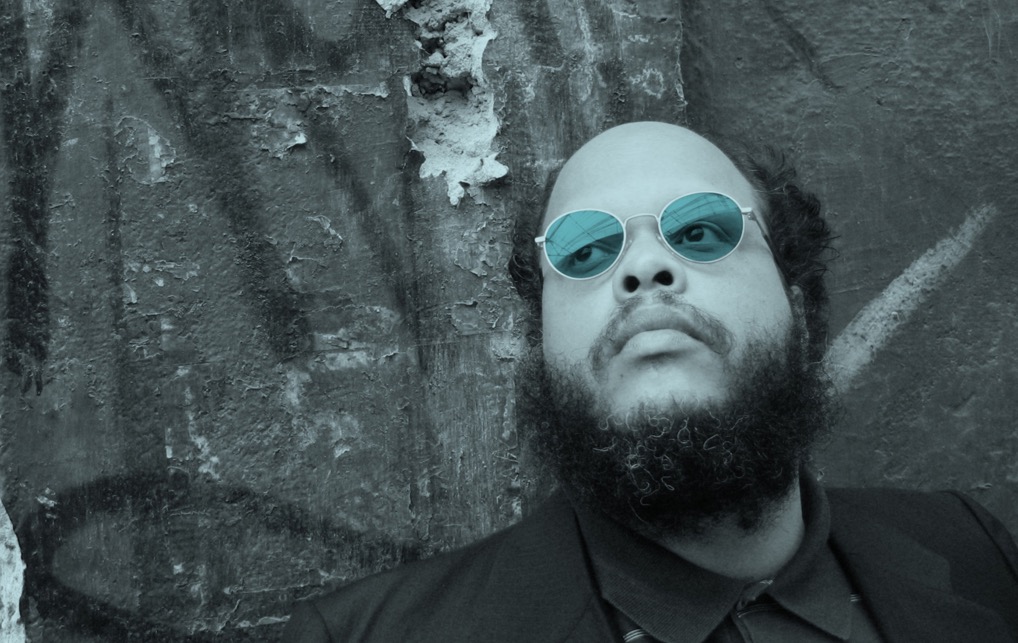
March 10: Ed Motta. You should see him Funk Up that Tambourine with Tania Maria! But let’s just start by sharing his respect and admiration for Steely Dan. (Click on image)
================================================================================
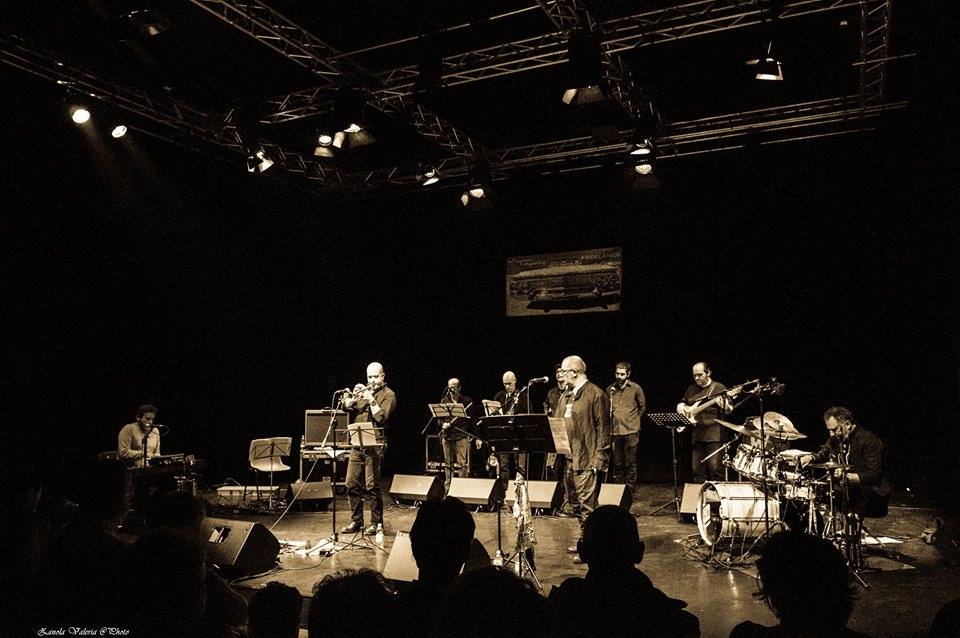
March 5: In the old Mizar5 days, we were introduced to the Italian Scurvy Brothers and their Donald Fagen and Steely Dan projects. There was something about their renditions of the Steely repertoire that kept their music lingering. Maybe it’s because in Italy, they do things with a passion? We stumbled across yet another Italian project, the Fagen-Becker Conspiracy, and they take the Steely repertoire into jazzed up fusion realms. We are instant fans. Are you? Please click on the image for a fine taste of the Freelance Fusion Band from Torino!
================================================================================
March 4: He loves to feature stories. And we love to feature the storyteller.

================================================================================
March 2: -RABBITS IN THE SKY- Rickie Lee Jones in an interview for Growing Bolder, about the relativity of fame and being the person inside.
“I’ve long had a thing about… well what is it about? Vanity? Success? Self-loathing? Self-appreciation? What is the deal? As I face the full theaters or the filled up clubs I notice, I take stock. I have to tell myself, it’s ok, really, no big deal, not even a question of ‘deserving’. It’s been hard for a long time. Now it’s not quite so hard. Don’t make a big deal of it.”
http://www.rickieleejones.com/blog/a-day-off/

================================================================================
Februari 26: HAPPY BIRTHDAY, JOHN TABACCO!

================================================================================
February 23: Multiple announcements on the official Facebook page! The Dan who knew too much!

================================================================================
February 20: Howdy folks! And Happy Birthday, Walter Becker!
We have a gift for you and we hope you like it. Just click on